Property
In a “Zillow world,” listing photos are a seller’s only chance to make a first impression on potential buyers
A virtually staged living room in a property for 8 Trenton St #2 in Charlestown. Atlantic virtual staging
The old saying goes: You never get a second chance to make a first impression – and that certainly applies to selling a house. According to Zillow, about 79 percent of potential buyers use a real estate app during the home buying process, and according to the National Association of Realtors (NAR), about half (51 percent) find their home online. That’s why it’s more important than ever to have professional photos that grab buyers’ attention as they browse through hundreds of homes.
To get the best photos, many experts recommend designing the home to appeal to the most buyers by rearranging furniture, decluttering, adding decorative accessories, and making other aesthetic improvements—whether physical or virtual.
Real estate professionals have long sworn by selling a home faster and for more money, but NAR’s data doesn’t quite bear that out. According to NAR’s 2025 Profile of Home Staging, a survey of real estate agents conducted in February 2025, three in 10 (29 percent) real estate agents reported that staging their sellers’ homes resulted in a 1 to 10 percent increase in the offered dollar value, and approximately half (49 percent) of seller agents reported that home staging reduced the time homes spent on the market. The biggest benefit of staging, according to the survey: A majority of buyer agents (83 percent) said staging makes it easier for buyers to envision a property as their future home.
According to a 2025 NAR report, staging was most important to buyers in the following rooms:
Living room: 37 percent
Master bedroom: 34 percent
Kitchen: 23 percent
However, local experts say these are national statistics and do not reflect the Greater Boston area, which remains a competitive market.
“In Boston, staging is the norm,” said Julie Chrissis, owner of Chrissis & Co. Interiors in Boston and a home stager. “Everything is a beauty contest.”
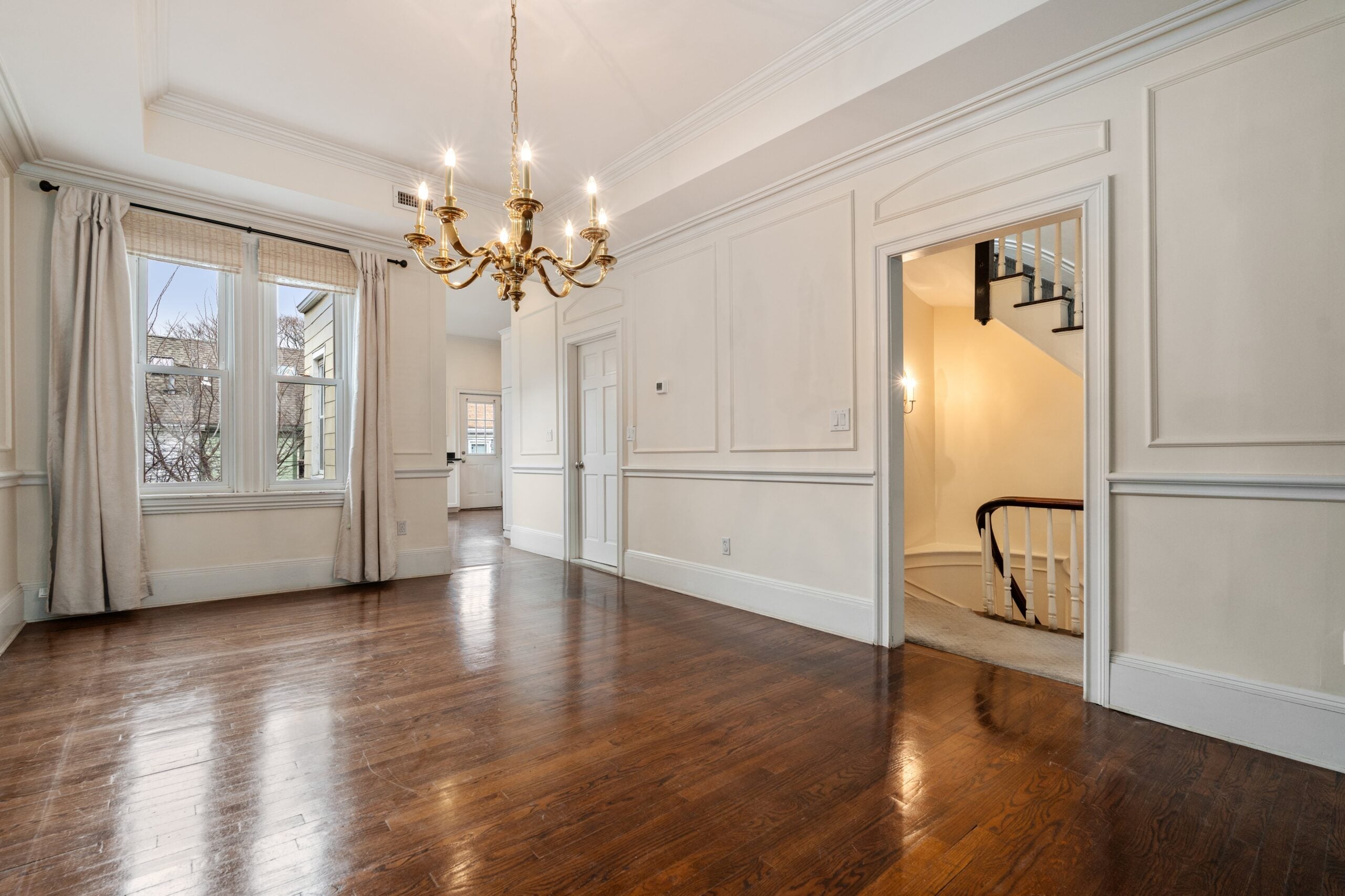 An empty room outside the virtual production at 8 Trenton St #2 in Charlestown. – Atlantic Virtual Staging
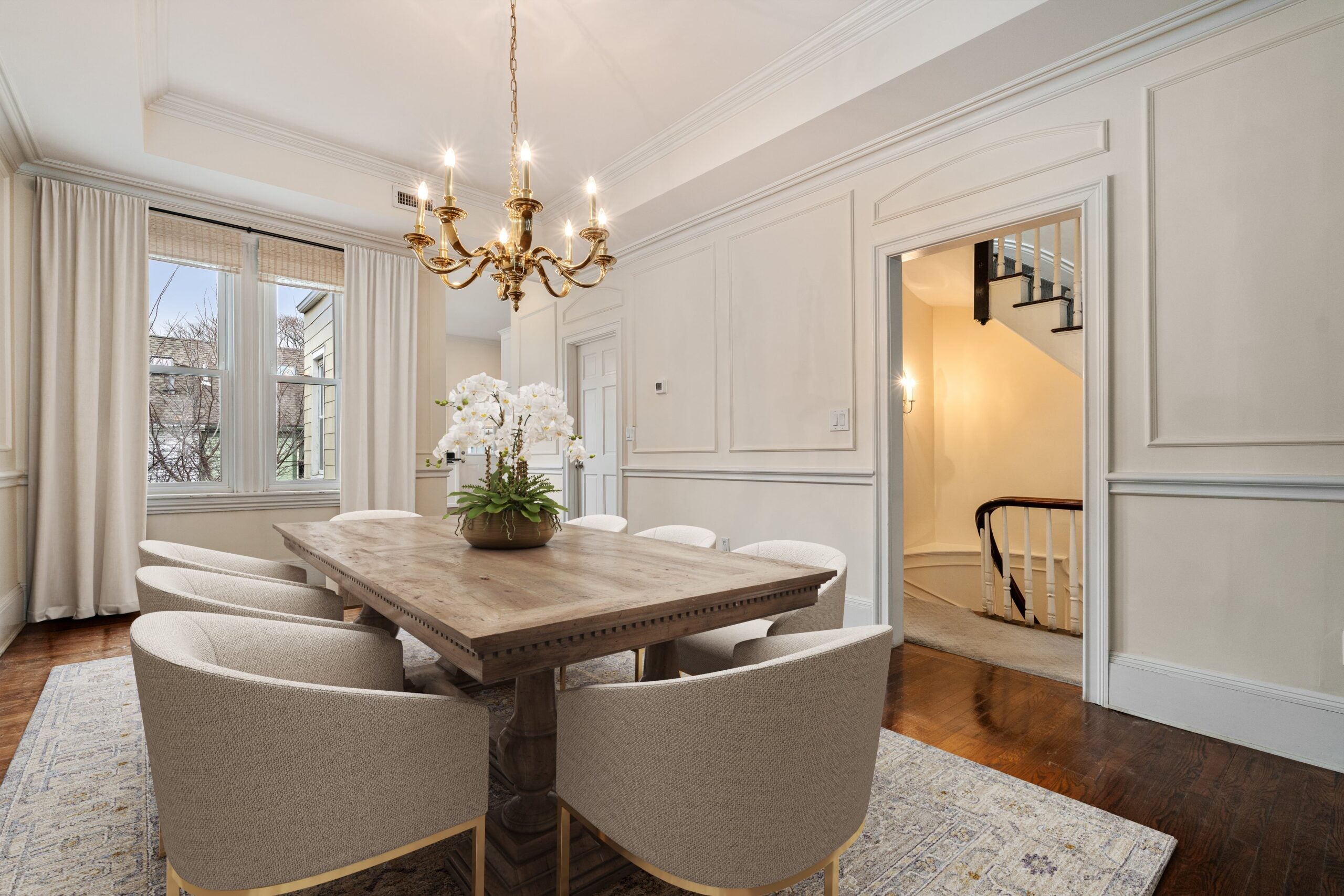 A virtually staged dining room in a property for 8 Trenton St #2 in Charlestown. – Atlantic Virtual Staging
In fact, 48 percent of real estate professionals who participated in the NAR survey said buyers expect homes to look like they were staged on television shows, and 58 percent said buyers were disappointed with the look of homes compared to the homes they saw on television.
“If you choose to be an outlier and not be on stage, you just make everyone look better,” Chrissis added.
Chrissis said she works with both real estate agents and home sellers and has brokered homes priced between $96,000 and $15 million. “It’s not just for the rich,” she said.
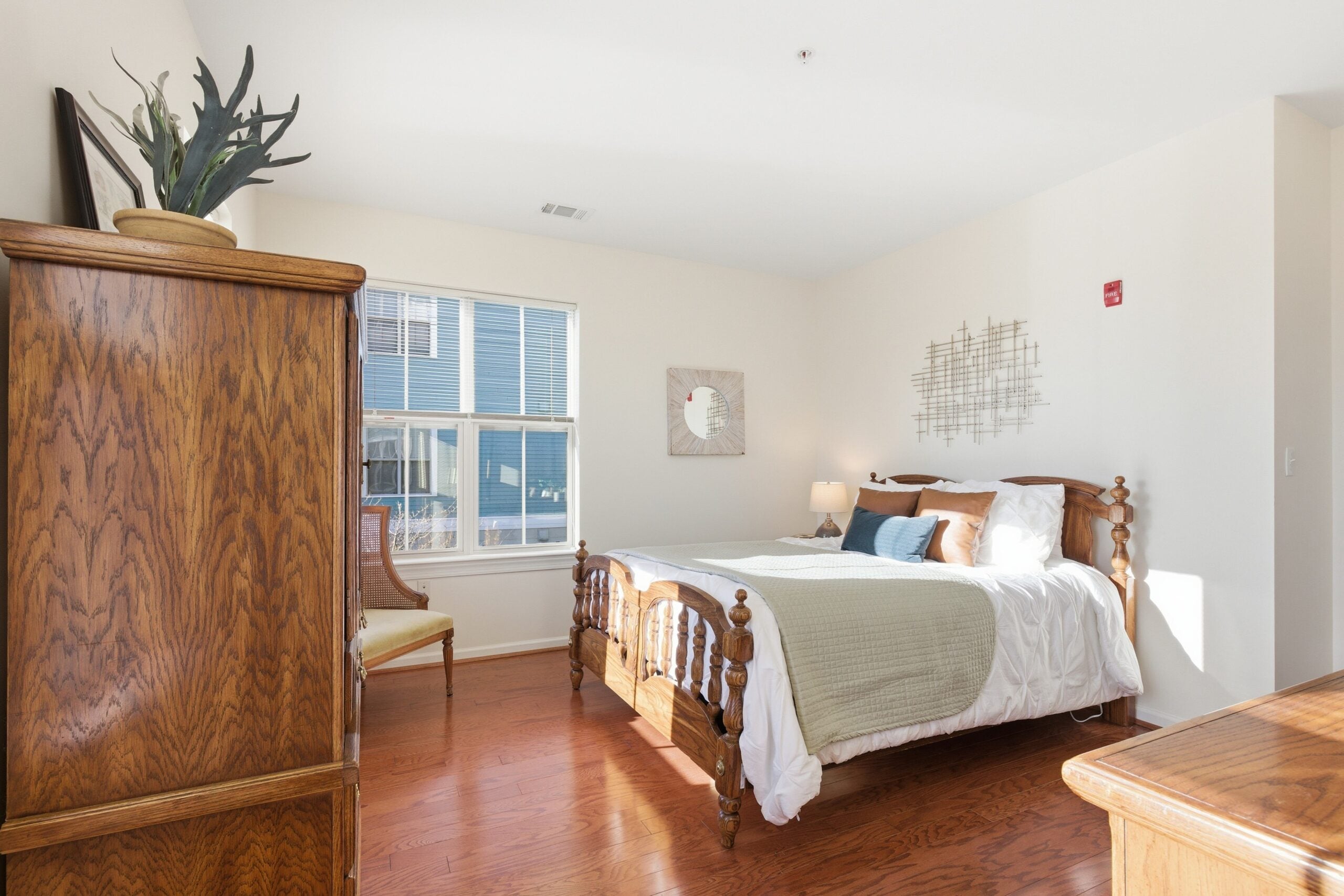 A bedroom in Angela Carosella’s mother’s Watertown condo after the staging. – Curved media
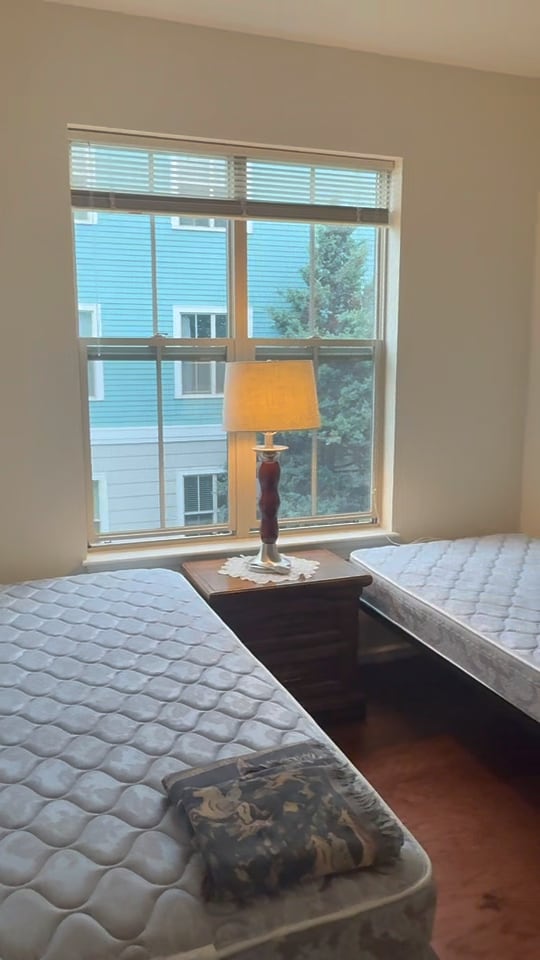 A bedroom in Angela Carosella’s mother’s Watertown condo before the staging. –Julie Chrissis
Angela Carosella recently worked with Chrissis to build a two-bedroom, two-bathroom condo in Watertown that had previously been occupied by her mother. “The house was clean, but not warm and comfortable,” she said. “There were lots of doilies and brown furniture.”
It took Chrissis about three hours to furnish the condo, which cost $525 and was paid for by the real estate agent. She rearranged the furniture, added linens, pillows, artwork, plants and other decor, and focused on lighting to brighten the unit. “After she was finished, a huge painting hung over the couch to draw the eye to the corner of the room that had lots of natural light,” Carosella said. There was also a large vase on the table and a bowl of bright green Granny Smith apples on the kitchen counter to add a pop of color.
The result: The first person she saw bought the condo and made an offer well above the asking price. There were other offers too. The device sold for $795,000 a month after listing.
“Without the staging, I don’t think it would have sold as quickly,” Carosella said.
Virtual staging
In West Philadelphia, a listing caught the attention of Zillow Gone Wild, an account that puts quirky homes on the market. It’s a completely run-down $81,900 townhouse with peeling paint, worn floors and missing walls. But with a few houseplants and some mid-century furniture it could be cozy. At least that’s what the strange virtual setting (a dining table under a crumbling ceiling, potted succulents on exposed beams) in the photos suggests. In a post about it, commenters on Reddit joked, but virtual staging has become a serious marketing tactic.
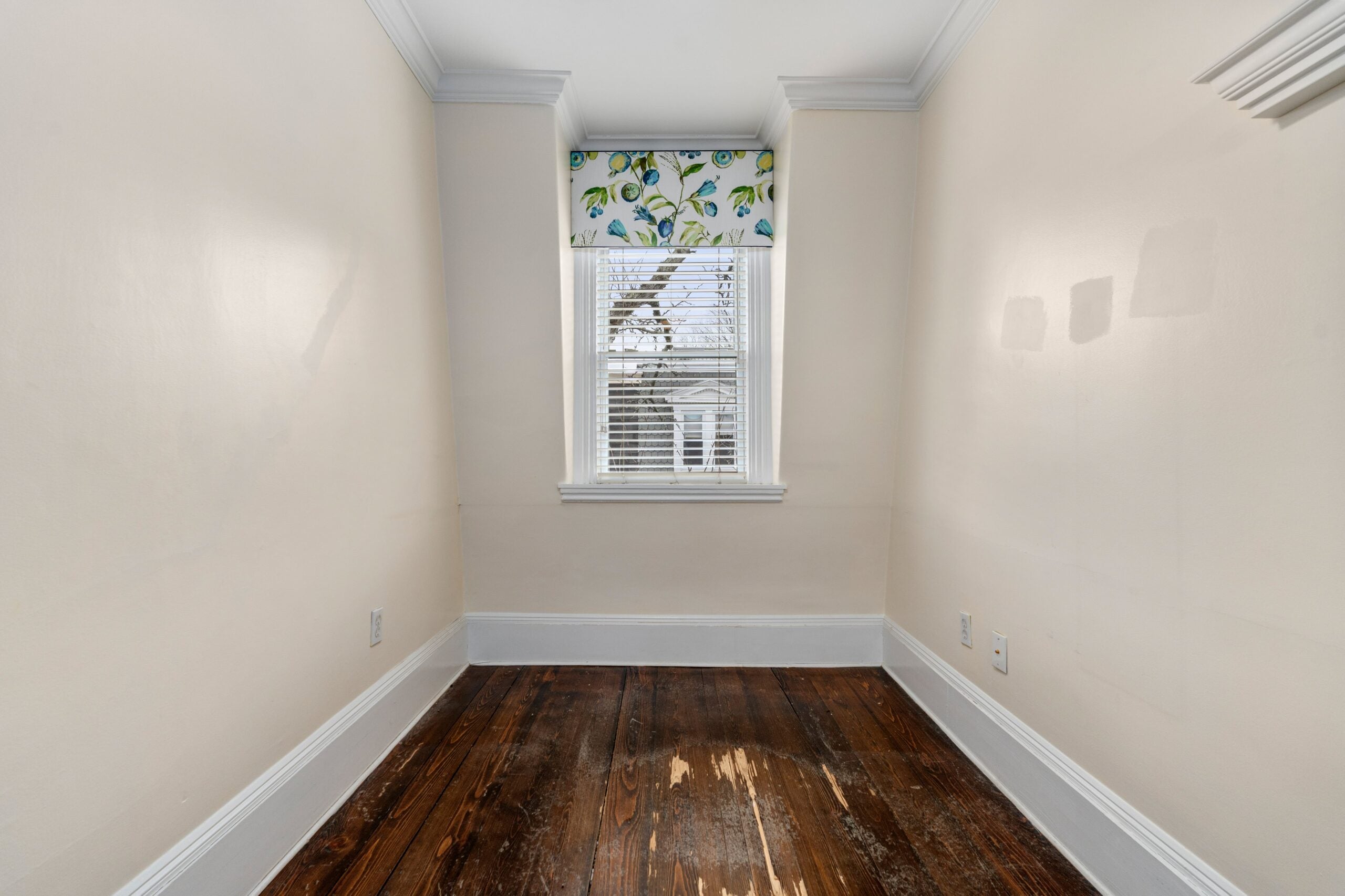 An empty room outside the virtual production at 8 Trenton St #2 in Charlestown. – Atlantic Virtual Staging
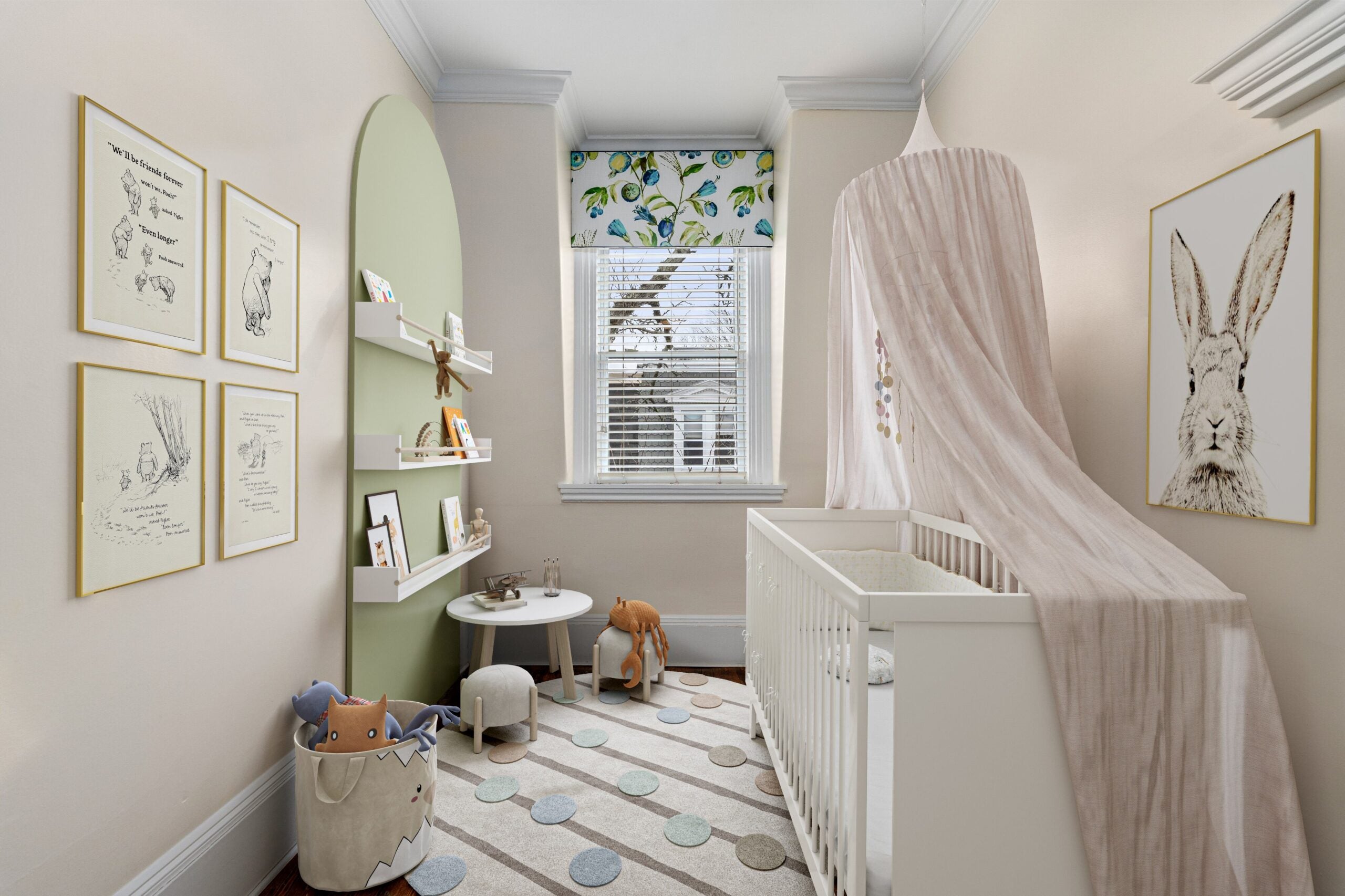 A virtually staged kindergarten in a listing for 8 Trenton St #2 in Charlestown. – Atlantic Virtual Staging
Digitally enhanced photos of a listed property – whether it’s vacant and in need of furniture or decorated in a way that won’t attract potential buyers – are becoming increasingly common online. (However, according to the NAR survey, only 8 percent of agents said they only stage homes virtually.)
Dave Costello, an agent with Gibson Sotheby’s International Realty in Boston, is co-owner of Atlantic Virtual Staging in Newton. The advantage of virtual staging is cost — Costello charges $75 per photo — and efficiency. “Furnishing a traditional home could cost thousands of dollars and take weeks, plus there is wear and tear on the property due to moving in and out,” he said. The virtual staging takes two to three days.
The virtual staging is also flexible. A spare bedroom can be converted into a study or a child’s room, and a near-tear-down can stimulate an investor’s creativity. Eyesores in a home – like old gym equipment or a grand piano that takes up too much space – can be digitally removed from images.
Some virtually staged photos are labeled as such or are easy to recognize, while others are so realistic that the viewer may not even notice them. Massachusetts law prohibits brokers from “advertising in any manner that is false or misleading.” While the laws and regulations do not specifically address virtual staging or the use of AI, it might make sense for agents to communicate to potential buyers that spaces have been staged virtually.
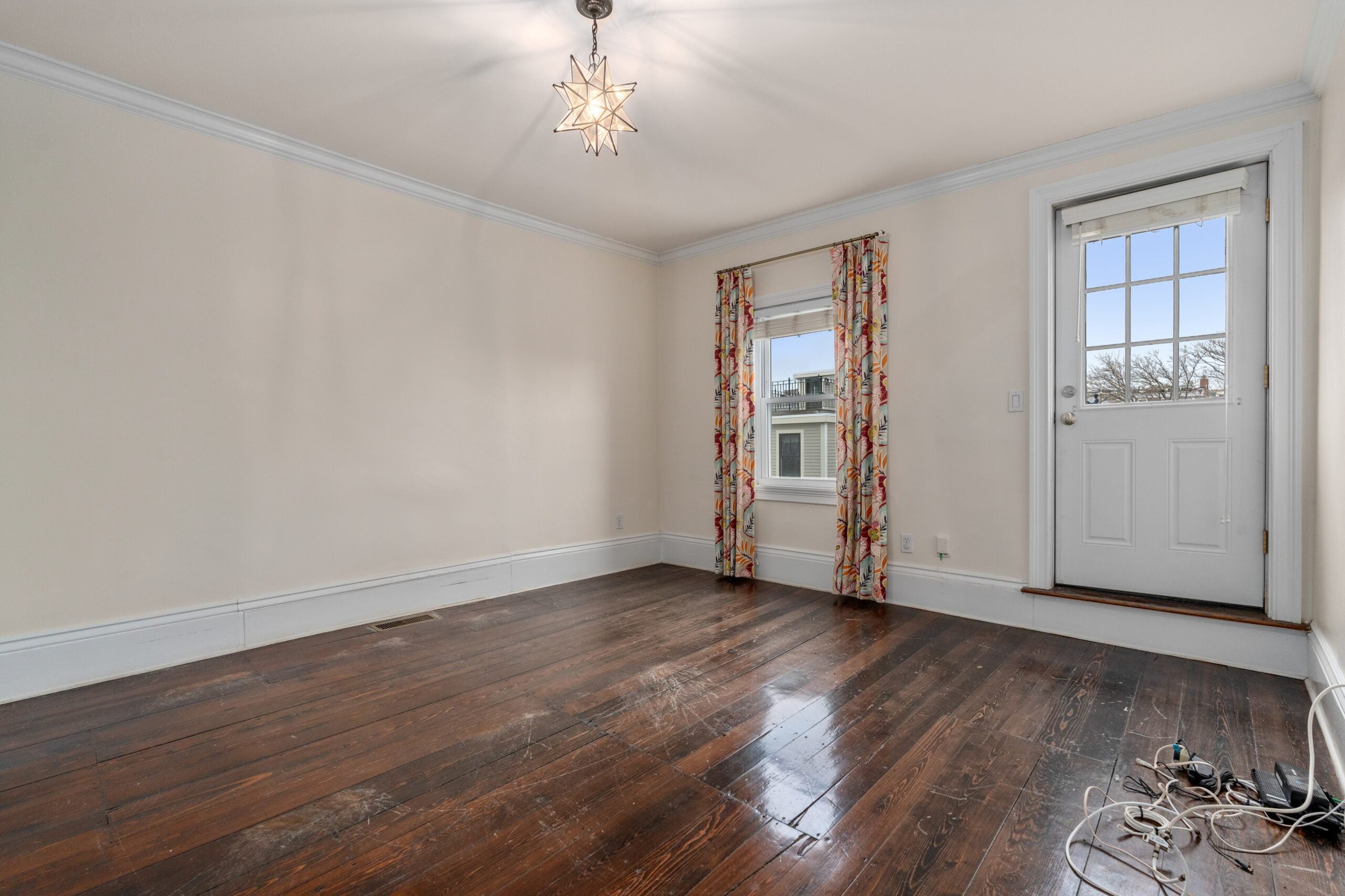 An empty room outside the virtual production at 8 Trenton St #2 in Charlestown. – Atlantic Virtual Staging
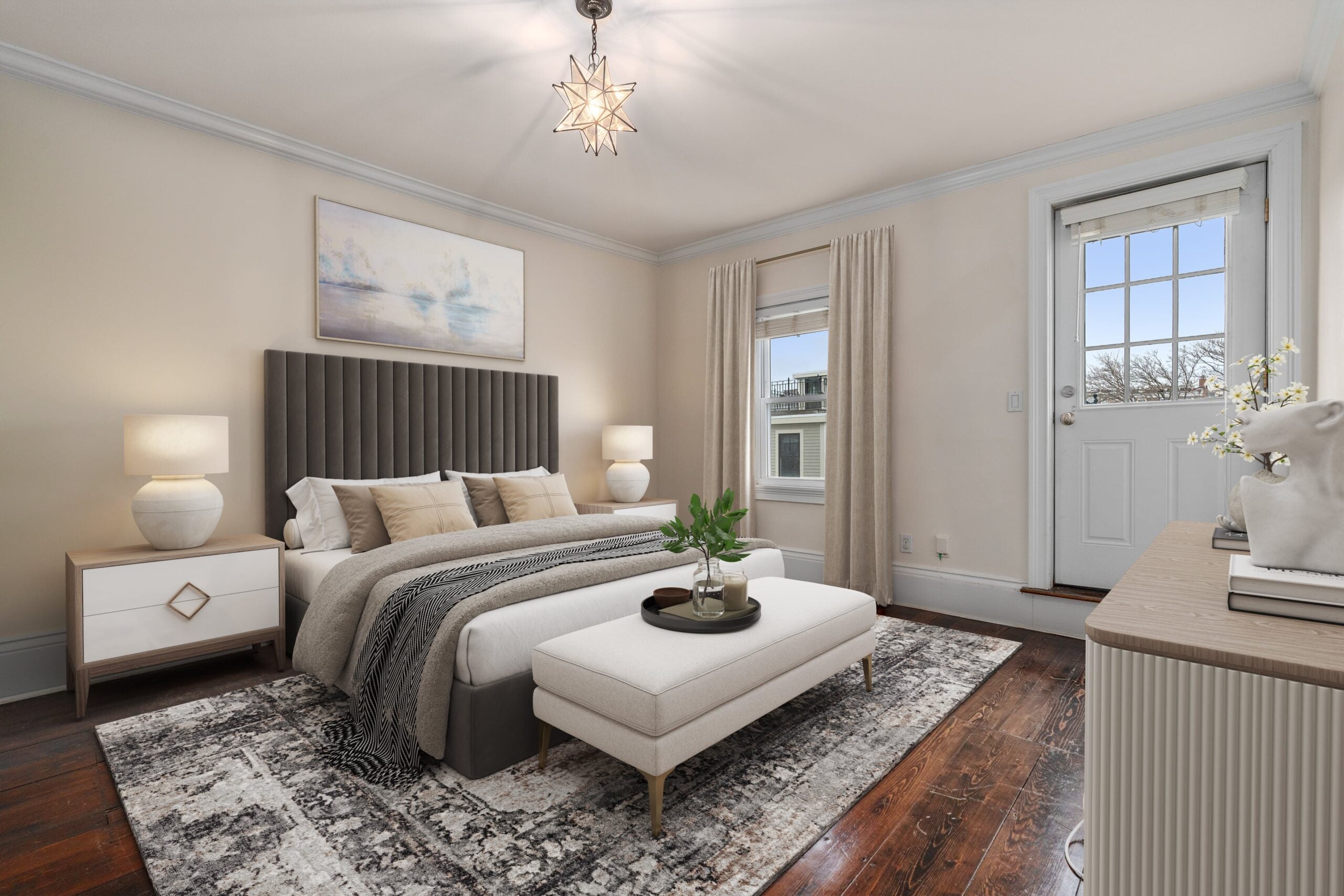 A virtually staged bedroom in a property for 8 Trenton St #2 in Charlestown. – Atlantic Virtual Staging
Of course, virtual staging does not extend to the empty space during an open house or in-person visit. To counteract possible on-site disappointment, some agents set up easels displaying photos of the virtually staged rooms. But Jennie Norris, president of the International Association of Home Staging Professionals, said she often has to traditionally stage homes that have previously been staged virtually because while virtual photos may lure a buyer, they don’t see what they saw online and it feels like false advertising.
But for some, just getting people in the door is a win.
“We live in a Zillow world where many buyers begin their search,” Costello said. “You need to provide images good enough to entice a buyer to view the home.”

Robyn A. Friedman is an award-winning freelance writer who has covered real estate and personal finance for over two decades. Follow her @robynafriedman.
Address newsletter
Our weekly look at buying, selling and design, with expert advice and insider knowledge of the neighborhood.
